















Storage-Charging Integrated Unit

Stackable Battery Modules

Monocrystalline Silicon


Addressing power grid access challenges in aging European and American electrical systems requires a multidimensional strategy combining technological upgrades, policy optimization, and system restructuring. The following analysis outlines solutions based on the latest industry developments and technological trends:

I. Grid Enhancement Technologies: Short-Term Mitigation and Efficiency Improvement
1. Dynamic Transmission Capacity Management
Technical Principle: Real-time monitoring of grid conditions enables dynamic adjustment of transmission line capacity limits, enhancing line utilization. For example, the dynamic transmission capacity technology developed by the Electric Power Research Institute (EPRI) in the U.S. can increase transmission efficiency by 15%-20%.
Application Case: California’s grid improved wind power grid integration efficiency by 30% and reduced curtailment rates through dynamic capacity allocation.
2. Advanced Conductor Materials
Carbon Fiber and High-Temperature Superconductors: Utilizing carbon-core conductors or ceramic composites increases thermal capacity, enabling higher current transmission. Carbon fiber conductors tested by AEP in the U.S. achieved a 50% increase in transmission capacity for the same cross-sectional area.
Economic Benefits: Retrofit costs are approximately one-third of new line construction, with project timelines reduced by 60%.
3. Intelligent Power Flow Control
Flexible AC Transmission Systems (FACTS): Devices like STATCOMs (Static Var Compensators) regulate voltage and phase to optimize power flow distribution. Siemens Energy’s SVC PLUS system deployed in Germany’s grid reduced line losses by 8%.
II. Grid Infrastructure Upgrades: Long-Term Capacity Expansion and Reliability Assurance
1. Main Grid Reconfiguration
High-Voltage Direct Current (HVDC) Interconnection: Addressing long-distance, high-capacity transmission needs, Europe advances multi-terminal DC projects (e.g., the North Sea Wind Alliance’s 600MW multi-terminal VSC-HVDC system) to alleviate AC grid congestion.
Expansion of Synchronous Grids: Strengthening interconnections between continental Europe and North Africa/Eastern Europe. For example, the Mediterranean Ring Network plan will transmit Moroccan solar power to Italy and France.
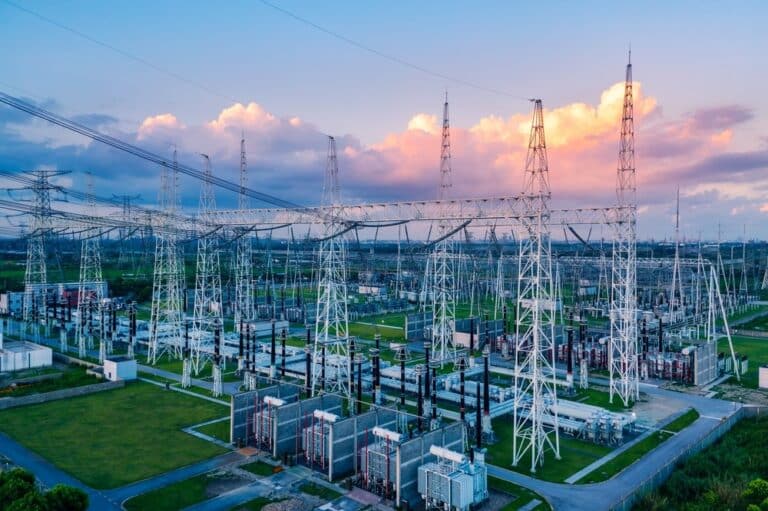
2. Substation and Equipment Modernization Modular Smart Substations: Utilizing prefabricated designs, deployment cycles have been reduced from two years to six months. GE Vernova’s modular substations deployed in Texas grid upgrades reduced fault restoration time by 50%.
Transformer Upgrades: Addressing oriented silicon steel shortages, Japan’s Nippon Steel developed amorphous alloy transformers with 2%-3% efficiency gains, now EU-certified.
III. Flexibility Resource Integration: Balancing Supply, Demand, and Integration
1. Virtual Power Plants (VPPs) and Demand Response
Aggregating Distributed Resources: Integrating rooftop PV, energy storage, and EV charging stations into virtual power plants to participate in grid peak shaving. Germany’s Next Kraftwerke manages over 12GW of VPP capacity, accounting for 15% of the nation’s peak load.
Dynamic Pricing Mechanisms: Spain implements time-of-use pricing to guide users toward off-peak consumption, reducing peak loads by 10%.
2. Energy Storage Technology Synergy
Multi-timescale storage combinations: Short-duration response (lithium batteries) + medium-to-long duration (compressed air/flow batteries). For example, the UK’s Hornsdale storage project (lithium batteries) complements Australia’s Cradle Mountain project (compressed air) to smooth wind and solar fluctuations.
Green Hydrogen Storage: Siemens Energy’s Power-to-Gas project converts surplus wind power into hydrogen storage, then generates electricity via fuel cells, achieving 75% overall efficiency.
IV. Policy and Market Mechanism Innovation
1. Approval Process Optimization
First-ready, first-connected principle: National Grid England (NESO) suspends low-priority projects, prioritizing approvals for renewable energy projects ready for construction, reducing queue times to within 2 years.
Automated approval systems: The EU develops AI-driven grid connection assessment platforms, compressing permit cycles from 18 months to 6 months.
2. Investment Incentives and Public-Private Partnerships
Tax Credits and Subsidies: The U.S. Inflation Reduction Act provides $369 billion in tax credits for grid modernization, attracting private capital.
Grid Bond Issuance: France’s EDF raised €20 billion through green bonds specifically for transmission network expansion.
V. International Cooperation and Standardization
1. Transnational Grid Interconnection Agreements
Nordic-Baltic Interconnection: Sweden, Finland, and the Baltic states jointly constructed ±400kV DC submarine cables to complement wind and hydro power, reducing fossil fuel dependence.
Africa-Europe Solar Corridor: Plans to transmit 20GW solar power from Morocco to Spain via the Strait of Gibraltar using ultra-high voltage













.png) PV-Storage-Charging
PV-Storage-Charging-1.png) High & Low Voltage Switchgear
High & Low Voltage Switchgear Company Profile
 News Information
 Service Support
 Cloud Platform Customized Development
 Leisheng Charging International Platform
 Leisn Home Charging Platform